Chronic Low Back Pain: Why It’s Difficult to Manage — and What Helps

Low back pain is one of the most common health problems worldwide and a leading cause of disability. At our clinic in Burlington, we regularly see individuals struggling with persistent or recurring back pain that interferes with work, physical activity, and everyday life. While many episodes improve within a few weeks, for others the pain can persist or return repeatedly.
When back pain becomes ongoing, many people understandably want to know what is causing it and what the best approach is for managing it.
One of the reasons chronic low back pain can be so frustrating is that the cause is often not as clear as people might expect.
Why Imaging Often Doesn’t Provide the Full Answer
Many patients assume that an X-ray or MRI will clearly identify the exact cause of their back pain. However, research has shown that many of the structural changes commonly seen on imaging—such as disc bulges, degeneration, or arthritic changes—are also frequently found in people who have no back pain at all.
In other words, two people can have very similar imaging findings, yet one person may have pain while the other does not.
One way to think about these changes is to compare them to wrinkles or grey hair. As we age, changes occur on the outside of our bodies that are a normal part of aging. Similar changes can occur inside the spine as well.
These findings are often simply part of the body adapting to years of use and activity. Because of this, modern clinical guidelines increasingly emphasize approaches that focus not only on structural findings, but also on movement, strength, and understanding how pain works.

The Role of Education and Movement
Over the past two decades, research has consistently shown that education and exercise are among the most effective approaches for managing persistent low back pain.
Understanding how back pain works can reduce fear and uncertainty, which often allows people to move more confidently and return to everyday activities.
Exercise plays an important role as well. Gradually improving strength, endurance, and movement control can help the body better tolerate daily activities and reduce the likelihood of recurring flare-ups.
This combination of education and structured exercise forms the foundation of several modern rehabilitation programs designed to help people manage persistent musculoskeletal conditions.
The GLA:D® Back Program

One program that has gained increasing attention internationally is the GLA:D® Back program.
Originally developed by researchers at the University of Southern Denmark, the program has been implemented in Canada through the University of Alberta and is now offered in clinics across the country.
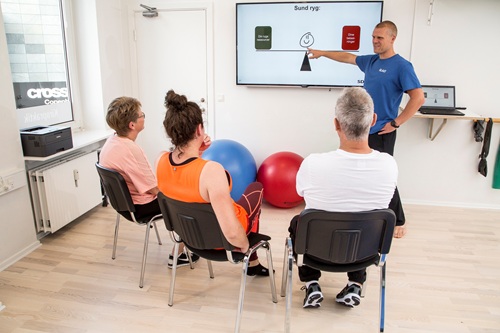
GLA:D Back is a structured program that combines education and supervised exercise to help individuals better understand their back pain and regain confidence in movement.
Participants attend small group sessions where they learn about how back pain works and take part in exercises designed to improve strength, mobility, and functional movement.
The goal is not simply to reduce symptoms temporarily, but to help individuals develop the tools and understanding needed to manage their back pain over the long term.
Evidence From Program Implementation
Early implementation of the GLA:D Back program has shown encouraging outcomes for participants.
Program reports have demonstrated improvements in several important areas, including:
• reductions in back pain intensity
• improved physical function
• reduced fear of movement
• decreased reliance on pain medication
• improvements that are often maintained one year after completing the program
These outcomes suggest that structured education and exercise programs can help individuals better understand and manage persistent back pain.
Early Canadian implementation experience has also suggested that participants often require fewer healthcare visits related to back pain over time, reflecting improved confidence and self-management.

A Different Way to Think About Back Pain
For many people, the most helpful shift is recognizing that managing persistent back pain often involves building confidence in movement rather than avoiding activity.
Programs like GLA:D Back emphasize several important principles:
• understanding how back pain works
• staying appropriately active
• gradually improving strength and endurance
• learning strategies to manage flare-ups
With the right education and guidance, many people are able to return to activities they previously avoided.
GLA:D® Back at Fairview Chiropractic & Rehab
At Fairview Chiropractic & Rehabilitation Clinic in Burlington, we have been offering the GLA:D® Hip & Knee program for several years and have seen how effective structured education and exercise programs can be in helping people manage chronic musculoskeletal conditions.
We are pleased to now offer the GLA:D® Back program for individuals experiencing persistent or recurring low back pain.
Because each session includes individualized instruction, progression, and clinical documentation, many participants are also able to submit individual sessions through their extended health benefits under chiropractic care, depending on their insurance coverage.
If you would like to learn more about the program, you can read more here: GLA:D® Back at Fairview Chiropractic & Rehab
Final Thoughts
Persistent back pain can be frustrating and sometimes confusing. However, modern research increasingly shows that education, movement, and structured exercise can play an important role in helping individuals regain confidence and return to meaningful activities.
Programs such as GLA:D® Back aim to provide individuals with the knowledge and tools needed to better understand and manage their back pain over time.
If you are experiencing persistent or recurring back pain and would like to learn more, please feel free to contact Fairview Chiropractic & Rehabilitation Clinic in Burlington.